SEAI Insulation Grants 2026: Complete Guide to What's Available
SEAI Insulation Grants: What Can You Get in 2026?
The SEAI offers grants that cover a significant portion of insulation costs for Irish homeowners. Depending on the type of insulation and your property, you could get between €700 and €8,000 back on a single measure.
This guide covers every insulation grant available, who qualifies, and how to apply. Grant amounts were last updated in early 2026 under the National Residential Retrofit Plan. For pricing on each insulation type, see our complete insulation cost guide.
Grant Amounts at a Glance
Attic Insulation Grants
| Property Type | Standard Grant | Welfare Recipient / First-Time Buyer |
|---|---|---|
| Apartment (top floor) | Up to €1,100 | Up to €2,500 |
| Mid-terrace | Up to €1,400 | Up to €2,500 |
| Semi-detached / end-of-terrace | Up to €1,500 | Up to €2,500 |
| Detached | Up to €2,000 | Up to €2,500 |
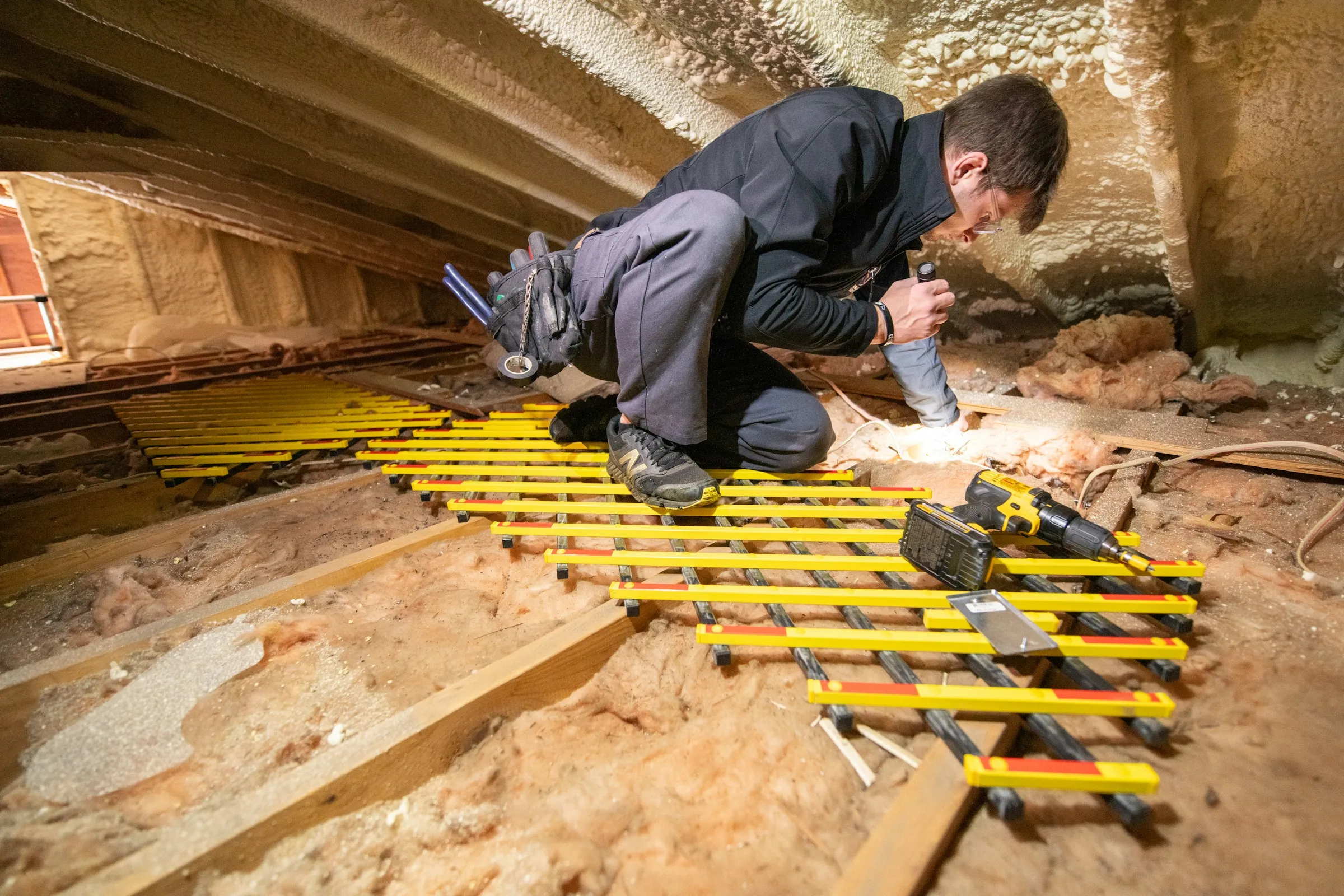
Plus €50 towards the post-works BER assessment. Attic insulation is one of the most affordable measures to begin with, and the grant often covers most or all of the cost. See our attic insulation cost guide for full pricing.
Cavity Wall Insulation Grants
| Property Type | Standard Grant | Welfare Recipient |
|---|---|---|
| Apartment | Up to €700 | Up to €900 |
| Mid-terrace | Up to €850 | Up to €1,100 |
| Semi-detached / end-of-terrace | Up to €1,300 | Up to €1,700 |
| Detached | Up to €1,800 | Up to €2,300 |
Cavity wall grants were increased in February 2026. Like attic insulation, they frequently cover the bulk of the cost. See our cavity wall insulation cost guide for what to expect.
External Wall Insulation Grants
| Property Type | Grant Amount |
|---|---|
| Apartment | Up to €3,000 |
| Mid-terrace | Up to €3,500 |
| Semi-detached / end-of-terrace | Up to €6,000 |
| Detached | Up to €8,000 |
Maximum wall insulation grant overall is €8,000. External wall insulation is the most expensive measure, but the grants are also the largest. Even after the grant, it’s a significant investment. See our external wall insulation cost guide for detailed pricing.
Internal Dry Lining Grants
| Property Type | Grant Amount |
|---|---|
| Apartment | Up to €1,500 |
| Mid-terrace | Up to €2,000 |
| Semi-detached / end-of-terrace | Up to €3,500 |
| Detached | Up to €4,500 |
Internal dry lining is an alternative to external wall insulation for solid-wall homes. It’s cheaper but reduces room sizes slightly.
Two Routes: Better Energy Homes vs One Stop Shop
The SEAI runs two main schemes for home energy upgrades. Understanding the difference matters because it affects how much you get and how the process works.
Individual Energy Upgrade Grants (Formerly Better Energy Homes)
This is the simpler route. You pick the insulation work you want done, choose your own SEAI-registered contractor, and apply for the grant. Good for doing one or two upgrades at a time.
How it works:
- Apply for individual grants (attic only, or cavity wall only, or both)
- You choose and manage your own SEAI-registered contractor
- Simpler process with less paperwork
- Can do measures over time (attic this year, walls next year)
- Grant offer valid for 30 days, with 8 months to complete the work
One Stop Shop (Whole-House Retrofit)
A registered One Stop Shop company manages the entire project from start to finish. This route is designed for deeper retrofits involving multiple measures. The grant can cover up to roughly 50% of a typical retrofit cost.
How it works:
- A registered company assesses your home and recommends a package of upgrades
- They handle all the work, project management, and SEAI paperwork
- Higher grant amounts per measure
- Must achieve a specific BER improvement (typically B2 or better)
- Better value if you’re doing two or more measures at once
Which Route Should You Choose?
If you’re only doing attic insulation or cavity wall injection, the individual grants route is simpler and perfectly adequate. The grants cover most of the cost either way.
If you’re considering wall insulation plus heating upgrades, or multiple measures at once, get a One Stop Shop quote alongside your individual grant quotes. The higher per-measure grants through the One Stop Shop route often make it better value for bigger projects.
Who’s Eligible?
The basic eligibility requirements for SEAI insulation grants are:
- Your home must have been built and occupied before 31 December 2010
- You must have a valid MPRN (your 11-digit electricity meter reference number)
- You must be the homeowner (or a landlord, management company, approved housing body, or registered charity)
- You must use an SEAI-registered contractor (individual grants) or a registered One Stop Shop
- You must get grant approval before work starts
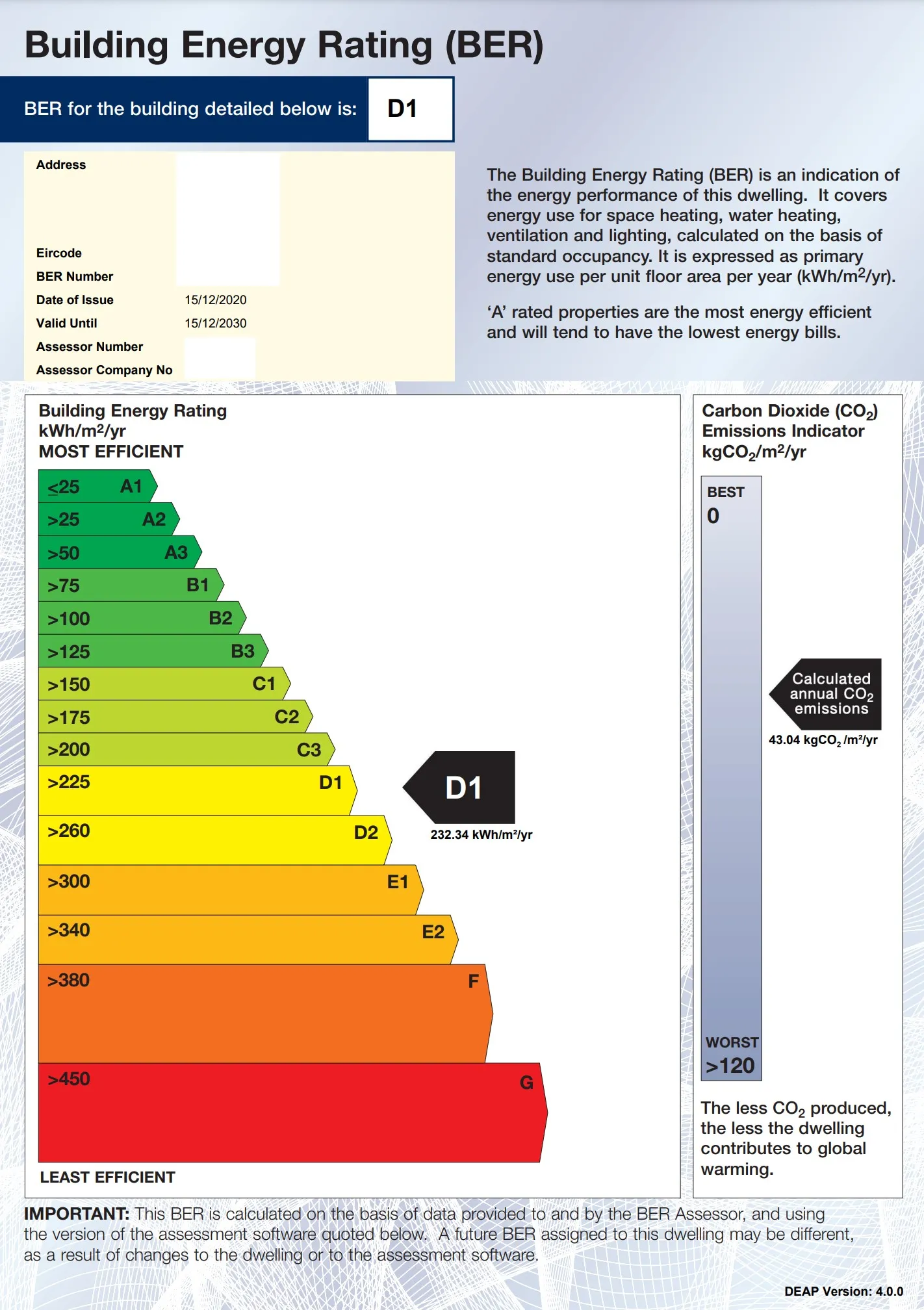
- A post-works BER assessment is required
- You must not have already received the same grant for this measure at this MPRN
For wall insulation grants, all external walls must be fully insulated. You can’t just do one wall and claim the grant.
Since March 2026, homeowners who previously received a cavity wall or internal wall insulation grant can now apply for a second wall measure (progressing to external wall insulation).
There are no income restrictions for the standard grants. First-time buyers of existing properties (purchased on or after 1 January 2025) qualify for enhanced attic insulation rates.
The Warmer Homes Scheme (Free Insulation)
This deserves its own section because many eligible homeowners don’t know it exists.
The Warmer Homes Scheme provides completely free home energy upgrades for homeowners receiving certain social welfare payments, including:
- Fuel Allowance (National Fuel Scheme)
- Jobseeker’s Allowance (over 6 months, with a child under 7)
- Working Family Payment
- One-Parent Family Payment
- Domiciliary Care Allowance
- Carer’s Allowance (must live with the person you care for)
- Disability Allowance (over 6 months, with a child under 7)
Your home must be owner-occupied and built before 2006. The SEAI verifies eligibility directly with the Department of Social Protection using your PPSN.
The scheme covers attic insulation, cavity wall insulation, external wall insulation, draught proofing, lagging jackets, energy-efficient lighting, and in some cases renewable heating systems (heat pumps). Single-glazed windows can also be replaced when paired with wall insulation.
The SEAI manages the entire process: a surveyor visits your home, recommends the right measures, and assigns a contractor. There’s no cost to the homeowner. Be aware that waiting times are significant. From application to completion, the process currently takes roughly two years due to demand. Apply early if you think you might qualify.
Note: stone and period homes built before 1940 are generally not eligible for wall insulation under this scheme.
How to Apply: Step by Step
Individual Grants Route
Step 1: Work out what your home needs. Start with a BER assessment (around €150 to €200) to identify where heat is being lost. Or simply check the obvious: is your attic insulated? Do your walls have cavities that could be filled? A good contractor will also advise during their site survey.
Step 2: Get quotes from SEAI-registered contractors. The contractor must be on the SEAI’s registered list. Get at least two quotes. Each should include a site survey. Ask whether they handle the grant paperwork (most do).
Step 3: Apply for the grant. Apply through the SEAI’s online portal before the work starts. Your contractor can often submit this on your behalf. Do not begin work before your application is submitted. Once approved, your grant offer is valid for 30 days to accept, and you have 8 months from the offer date to complete the work.
Step 4: Get the work done. Timelines vary by measure:
- Attic insulation: half a day to one day
- Cavity wall injection: one day
- External wall insulation: two to four weeks
- Internal dry lining: one to two weeks per room
Step 5: Post-works BER and grant payment. A second BER assessment confirms the improvement. The grant is then processed. In many cases, the contractor deducts the grant from your invoice so you only pay the net amount.
One Stop Shop Route
The process is simpler from your perspective. The One Stop Shop company handles everything: assessment, recommendations, quoting, project management, and all SEAI paperwork. You get a single quote for the full package and one point of contact throughout.
Which Grants Should You Apply For First?
If budget is a factor, prioritise by return on investment:
-
Attic insulation first. It’s typically the least expensive measure, the grant often covers most of the cost, and the payback is one to two years. If your attic has less than 200mm of insulation, this is the obvious starting point.
-
Cavity wall injection next, if your home has unfilled cavities. Quick, cheap, and minimally disruptive. The grant frequently covers most of the cost.
-
External wall insulation for solid-wall homes, or homes where the cavities are already filled. This is a bigger investment even with the grant, but it delivers the largest improvement in energy performance and comfort.
Doing attic and cavity wall together is a common and practical approach. Both can be completed in a day, and the combined grant often makes the total out-of-pocket cost very low.
Common Mistakes to Avoid
Starting work before applying. The grant application must be submitted before work begins. Starting early can disqualify you.
Using a contractor who isn’t SEAI-registered. This is a firm requirement. Check the SEAI’s online register before signing anything.
Not comparing both routes. If you’re doing more than one measure, the One Stop Shop route may offer significantly better total grants. It’s worth getting a quote from both.
Forgetting about ventilation. Insulation without proper ventilation can cause damp and condensation. A good contractor will assess this as part of the job, but it’s worth asking about explicitly.
Not knowing about the Warmer Homes Scheme. If you’re on a qualifying social welfare payment, you may be entitled to free insulation. Check before paying for work.
Frequently Asked Questions
Can I claim multiple SEAI insulation grants?
Yes. You can claim for attic, cavity wall, external wall, and internal dry lining separately. Each measure has its own grant. Combining multiple measures via the One Stop Shop route may give you higher total grant amounts.
Can I combine insulation grants with other energy grants?
Yes. SEAI grants are per measure. You can claim insulation grants alongside solar panel grants, heat pump grants, and other energy upgrades. The One Stop Shop route is designed specifically for combining multiple measures.
How long does the grant application take?
Processing times vary, but typical turnaround is a few weeks from submission. The full process from initial enquiry to completed work depends mainly on contractor availability and the scale of the work.
Can tenants apply for SEAI grants?
Generally no. The homeowner must apply. Landlords can apply for grants on their rental properties. If you’re a tenant, it’s worth making your landlord aware of the available grants.
Is there a deadline to apply?
SEAI grants are ongoing, but budgets are allocated annually and grant amounts can change. There’s no hard deadline, but it’s worth applying while current rates are in effect. The SEAI can adjust amounts or eligibility criteria at any time.
Do I need to pay the full cost upfront?
This depends on the contractor. Some deduct the grant from your invoice so you only pay the difference. Others require full payment with the grant refunded to you later. Ask about payment terms before signing.
Can I get grants for spray foam insulation?
Yes. Spray foam qualifies for attic insulation grants under the Better Energy Homes scheme, provided it meets the required thermal standards and is installed by an SEAI-registered contractor. The grant amount is the same regardless of which attic insulation material you choose.