Cavity Wall Insulation Cost in Ireland: 2026 Price Guide
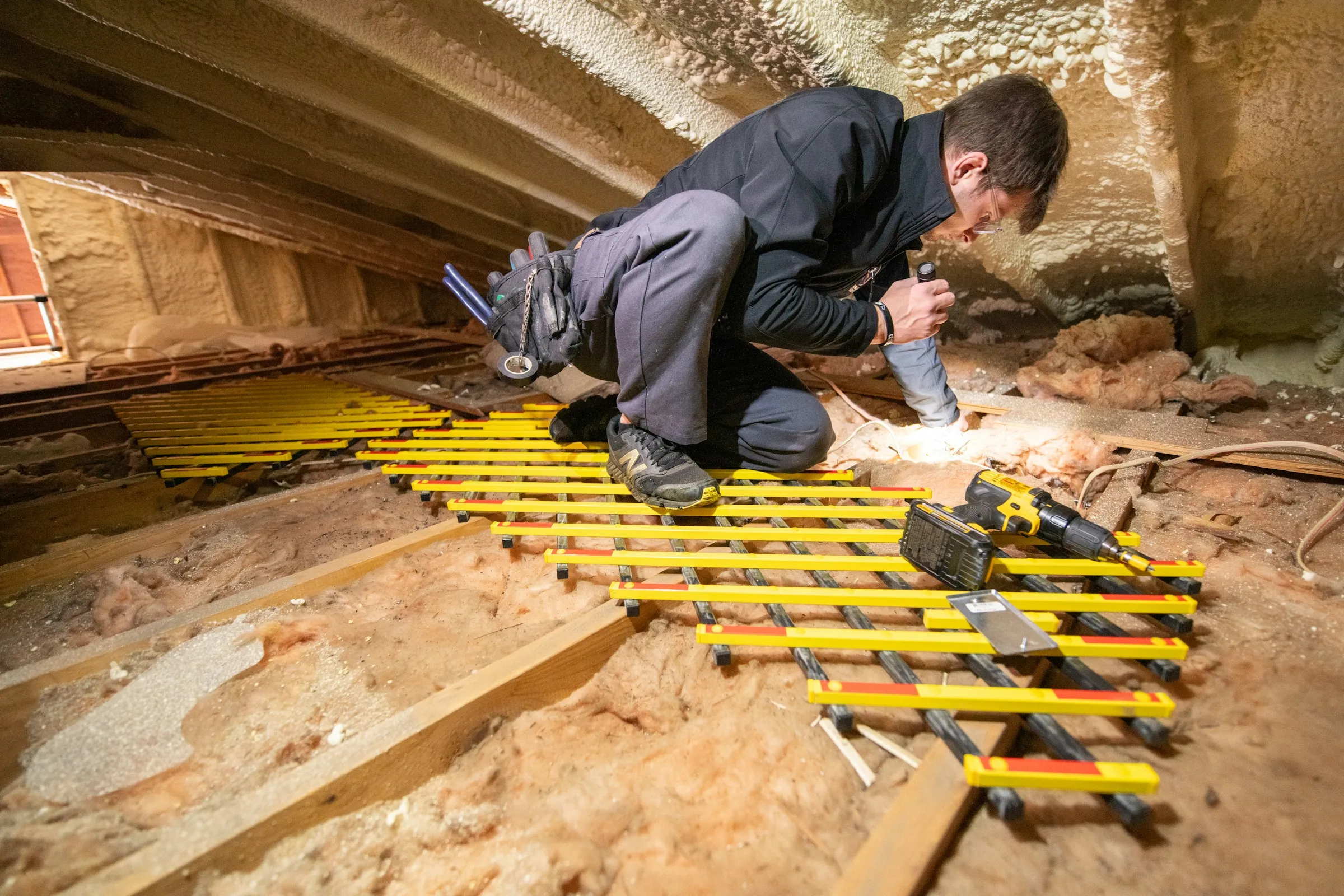
How Much Does Cavity Wall Insulation Cost in Ireland?
Cavity wall insulation is one of the most affordable and effective home energy upgrades available. For a typical 3-bed semi-detached house, expect to pay between €600 and €2,500 before grants. After the SEAI grant of up to €1,300, many homeowners pay very little out of pocket.
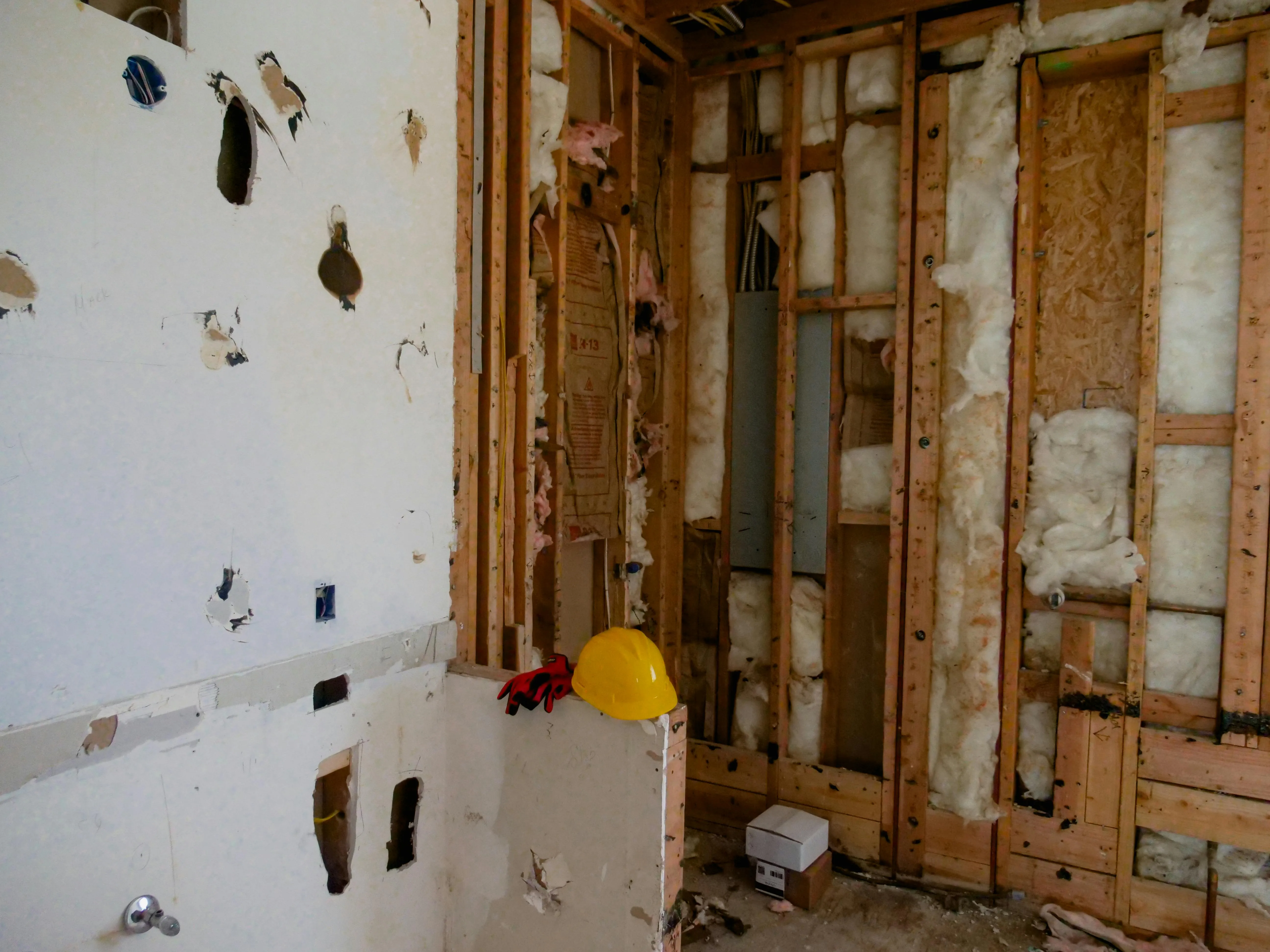
The process is quick and minimally disruptive. Small holes are drilled in the external wall, insulation is injected to fill the cavity, and the holes are sealed. Most jobs are completed in a single day.
For a comparison of all insulation types and costs, see our complete insulation cost guide.
Cost by Property Type
| Property Type | Typical Cost | SEAI Grant | You Pay (approx) |
|---|---|---|---|
| Apartment | €400 - €800 | Up to €700 | €0 - €200 |
| Mid-terrace | €500 - €1,200 | Up to €850 | €0 - €400 |
| Semi-detached / end-of-terrace | €600 - €2,500 | Up to €1,300 | €0 - €1,200 |
| Detached | €1,200 - €3,000 | Up to €1,800 | €0 - €1,500 |
The cost depends mainly on the total wall area and how much of it has an unfilled cavity. Semi-detached homes have one exposed gable end plus front and back walls. Detached homes have four exposed walls, so there’s more area to fill.
In many cases, the SEAI grant covers a large portion of the cost. Homeowners on qualifying social welfare payments can get even higher grants (up to €2,300 for a detached house) through the enhanced rates introduced in March 2026.
Does Your Home Have Cavity Walls?
Not all homes have cavities that can be filled. Here’s a rough guide:
Likely to have cavities:
- Houses built from the 1930s onwards with two layers of blockwork or brick
- Most housing estates built from the 1950s to 1990s
- Many homes built from the 1990s onwards (though these may already be partially or fully filled)
Unlikely to have cavities:
- Homes built before 1930 with solid stone or solid brick walls
- Some older terraced houses in towns and cities
- Timber-frame houses (these have insulation between the studs instead)
The simplest way to check is to look at the wall thickness. A cavity wall is typically 270mm to 300mm thick. Solid walls are usually around 225mm or thicker (for stone). Your installer can confirm by drilling a small test hole.
If your home has solid walls, external wall insulation or internal dry lining are the alternatives.
What Materials Are Used?
The three most common cavity wall insulation materials in Ireland are:
Bonded Bead (EPS Beads)
Small polystyrene beads coated in adhesive, blown into the cavity. This is the most common method in Ireland. The beads bond together once injected, preventing settlement. Good all-round performance.
Mineral Wool / Rock Wool
Loose mineral fibre blown into the cavity. Offers good thermal and acoustic insulation plus excellent fire resistance. Slightly more expensive than bonded bead.
Polyurethane Foam (PUR)
Injected as a liquid that expands to fill the cavity. Delivers superior thermal performance per thickness and excellent airtightness. The most expensive option but can be the right choice for narrow cavities where maximum insulation performance per millimetre matters.
For most standard cavity walls (50mm to 100mm cavity width), bonded bead or mineral wool does an excellent job at a competitive price. Your installer will recommend the right material based on your cavity width and condition.
What Affects the Cost?
Wall Area
More wall area means more insulation material and more drilling. A large detached house with four exposed walls simply has more to fill than a mid-terrace with only front and back walls exposed.
Cavity Width
Standard cavities in Ireland are typically 50mm to 100mm wide. Wider cavities use more material. Very narrow cavities (under 50mm) may not be suitable for standard injection and could need specialist treatment.
Number of Storeys
Two-storey homes cost more than bungalows because of the additional wall height. Access to upper areas is straightforward for cavity injection (it’s done from the outside), but the total area is greater.
Wall Condition
If the cavity has partial fill that has slumped or degraded, additional work may be needed. In some cases, existing failed insulation needs to be extracted before new material can be injected. This is uncommon but does add to the cost if required.
Obstacles
Some walls have cavity trays, lintels, or firebreaks that interrupt the cavity. These can usually be worked around, but they add time and complexity.
SEAI Grants for Cavity Wall Insulation
Cavity wall insulation qualifies for SEAI grants under the individual energy upgrade scheme:
| Property Type | Standard Grant | Welfare Recipient |
|---|---|---|
| Apartment | Up to €700 | Up to €900 |
| Mid-terrace | Up to €850 | Up to €1,100 |
| Semi-detached / end-of-terrace | Up to €1,300 | Up to €1,700 |
| Detached | Up to €1,800 | Up to €2,300 |
You must use an SEAI-registered contractor. The grant is typically deducted from your invoice, so you pay the net amount. Your home must have been built and occupied before 31 December 2010, and you need to get grant approval before work starts.
Higher grants may be available through the One Stop Shop route if you’re combining cavity wall insulation with other energy upgrades. See our SEAI grants guide for full details on both routes.
How Long Does the Job Take?
Cavity wall injection is one of the quickest insulation jobs:
- Small holes (approximately 22mm diameter) are drilled in the external wall at regular intervals
- Insulation material is injected through the holes under pressure
- Holes are sealed and made good
Most homes are completed in a single day. A straightforward semi-detached house might take three to four hours. Larger detached properties may take a full day.
There’s no drying time and no internal disruption. You don’t need to clear rooms, move furniture, or redecorate afterwards. The work is done entirely from the outside.
Cavity Wall vs External Wall Insulation
If your home has cavity walls, you have two main options for wall insulation: filling the cavity or adding external insulation on top. Here’s how they compare:
| Feature | Cavity Wall Injection | External Wall Insulation |
|---|---|---|
| Cost (semi-d) | €600 - €2,500 | €18,000 - €26,000 |
| SEAI grant (semi-d) | Up to €1,300 | Up to €6,000 |
| You pay (approx) | €0 - €1,200 | €12,000 - €20,000 |
| Installation time | 1 day | 2-4 weeks |
| Disruption | Minimal | Significant |
| Heat loss reduction | 15-20% | 25-35% |
| Changes exterior? | No | Yes (new render) |
For most homes with unfilled cavities, cavity wall injection is the obvious first step. It’s dramatically cheaper, faster, and less disruptive. External wall insulation makes sense for solid-wall homes that have no cavity to fill, or for homes that have already had their cavities filled and want further improvement.
Some homeowners do both. Filling the cavity first and then adding external insulation later gives excellent overall thermal performance, though the combined cost is substantial.
For more on external insulation, see our external wall insulation cost guide.
Frequently Asked Questions
Can cavity wall insulation cause damp?
When installed correctly in suitable walls, no. Problems can occur if the cavity has existing damp issues that aren’t addressed first, if the cavity is too narrow, or if the material isn’t properly installed. A good installer will inspect the cavity condition before proceeding and will flag any concerns. Ventilation should also be assessed as part of the job.
How do I know if my cavities are already filled?
An installer can check by drilling a small test hole in an inconspicuous spot. They’ll be able to see (and feel) whether there’s insulation in the cavity. Some homes built from the mid-1990s onwards may already have partial or full cavity fill from original construction.
Will cavity wall insulation make a noticeable difference?
Yes. Most homeowners notice an immediate improvement in comfort, with fewer cold spots along external walls and reduced draughts. Heating bills typically drop by 15% to 20%. In homes that previously had no wall insulation at all, the difference is significant.
Can you inject insulation into all cavity walls?
Not always. The cavity needs to be a minimum width (typically 50mm), reasonably clean, and free of significant damp. Some older cavity walls have rubble or mortar droppings in the cavity that can obstruct the fill. Your installer will assess suitability before starting.
Does cavity wall insulation affect the BER rating?
Yes, positively. Filling empty wall cavities typically improves a BER rating by one to two grades. This is one of the most cost-effective ways to improve your energy rating, which matters both for comfort and property value.