How Much Does Home Insulation Cost in Ireland in 2026?
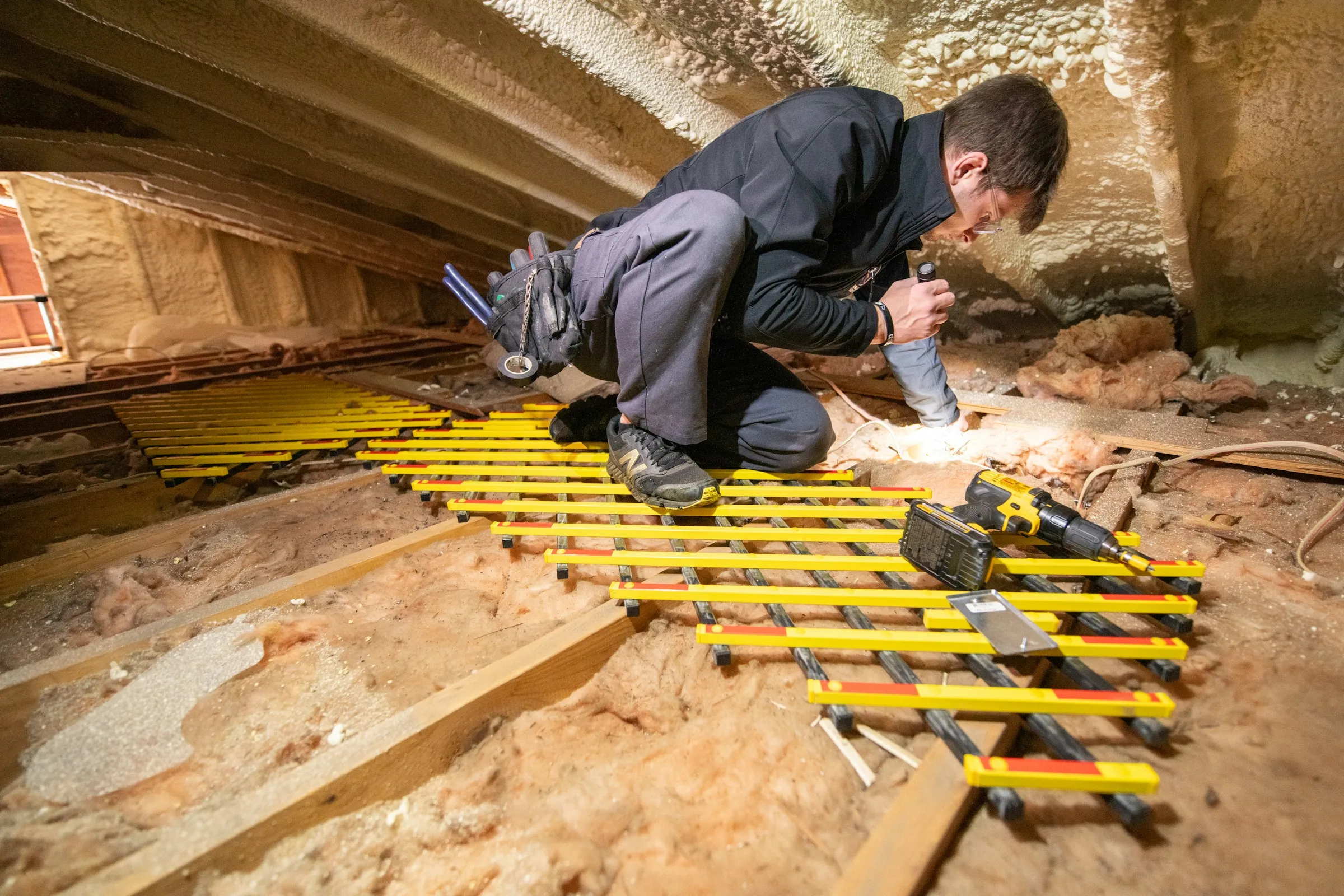
What Does Home Insulation Cost in Ireland?
Insulation costs in Ireland range from as little as €400 for an attic top-up to over €25,000 for full external wall insulation on a detached house. The good news is that SEAI grants cover a significant portion of most jobs.
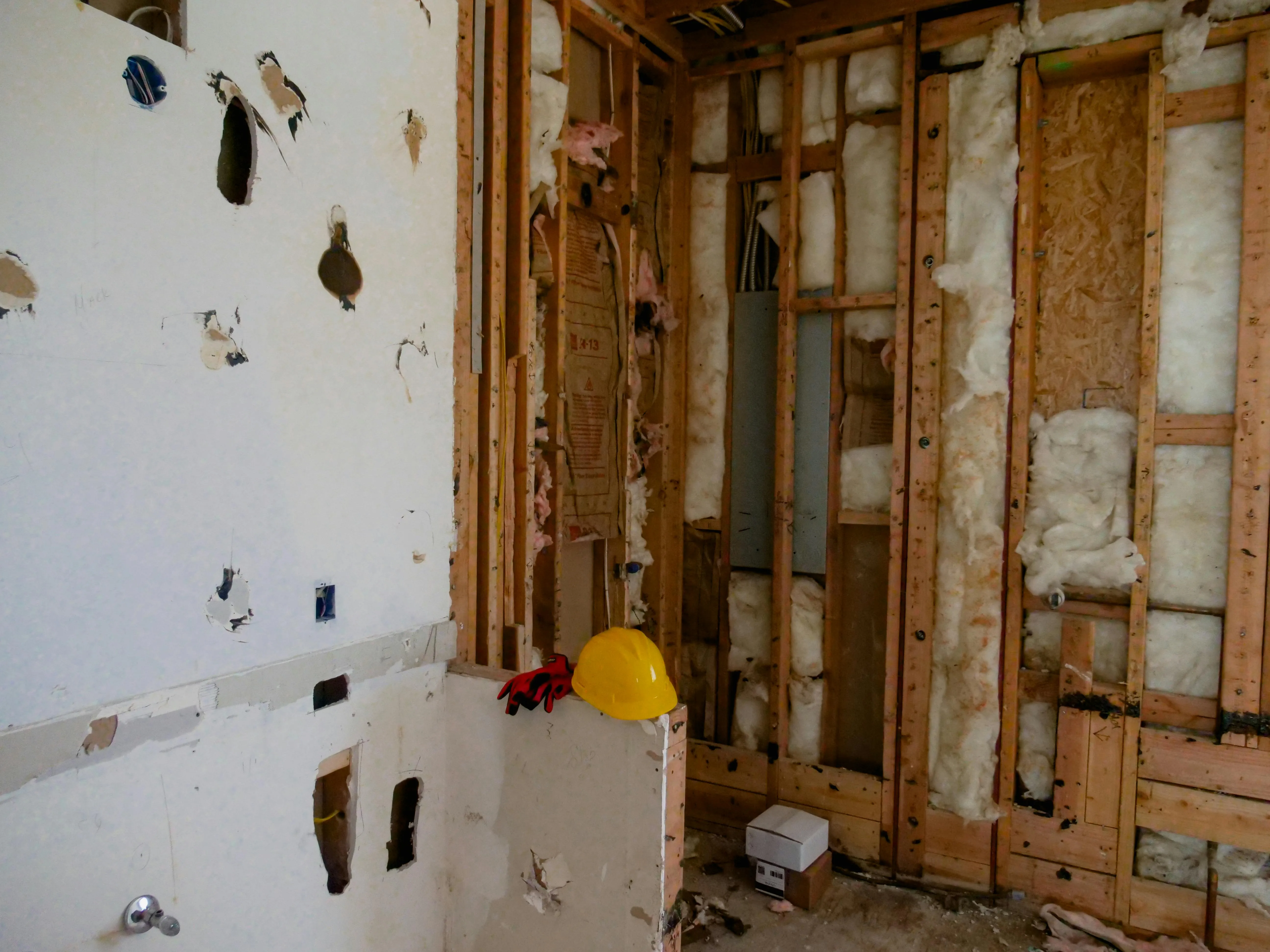
The right type of insulation depends on your home’s age, construction, and what (if anything) is already in place. Most homes benefit from more than one type. Below is a summary of typical costs for a standard 3-bed semi-detached house, which is the most common housing type in Ireland.
Cost by Insulation Type (3-Bed Semi-Detached)
| Insulation Type | Typical Cost | SEAI Grant | You Pay (approx) | Heat Loss Reduction |
|---|---|---|---|---|
| Attic insulation | €400 - €2,000 | Up to €1,500 | €0 - €800 | 20-25% |
| Cavity wall injection | €600 - €2,500 | Up to €1,300 | €0 - €1,200 | 15-20% |
| External wall insulation | €18,000 - €26,000 | Up to €6,000 | €12,000 - €20,000 | 25-35% |
| Internal dry lining | €4,500 - €10,000 | Up to €3,500 | €1,500 - €6,500 | 20-30% |
| Spray foam (attic) | €1,400 - €2,200 | Up to €1,500 | €0 - €1,500 | 20-25% |
| Floor insulation | €900 - €1,400 | Up to €350 | €600 - €1,100 | 5-10% |
These figures are approximate. Actual costs depend on house size, current insulation state, access, and material choice. Each insulation type has its own detailed cost guide linked above.
For a full breakdown of available grants, see our SEAI insulation grants guide.
Which Type Does Your Home Need?
The age of your house is the biggest factor in determining what insulation work is needed. Here’s a rough guide.
Homes Built Before 1940 (Solid Walls)
Older homes with solid stone or brick walls have no cavity to fill. Your options are external wall insulation (EWI) or internal dry lining.
External insulation wraps the house in an insulating layer and a new render finish. It’s more effective thermally but costs significantly more and changes the exterior appearance. Internal dry lining is cheaper but reduces room sizes slightly and requires redecorating.
Solid-wall homes also need special attention to breathability and moisture management. Lime mortar buildings in particular need materials that allow moisture to pass through rather than trapping it.
Homes Built 1940s to 1990s (Cavity Walls)
This is the most common scenario in Ireland. These homes typically have unfilled or partially filled wall cavities. Cavity wall injection is the obvious first step. It’s one of the most affordable insulation measures, causes minimal disruption, and delivers excellent value.
Many of these homes also have poor or no attic insulation. Doing both attic and cavity wall together makes sense. Some homes from the 1970s and 80s may have partial fill that has settled or degraded over time, but this can be topped up.
Homes Built After 2000
These were generally built to better standards, but may still benefit from an attic top-up if the existing insulation is below the current 300mm recommendation. Major insulation work is less likely to be needed, but a BER assessment will confirm whether there are gaps.
What Affects Insulation Costs?
House Size
This is the most obvious factor. A 4-bed detached house has more wall area, more attic space, and costs more to insulate than a 2-bed terrace. Wall insulation is priced per square metre of wall area, and attic insulation per square metre of attic floor.
For external wall insulation specifically, the difference is dramatic. A mid-terrace might cost €8,000 to €13,000 while a large detached house can exceed €30,000 before grants.
Current Insulation State
A home with zero insulation costs more to bring up to standard than one that just needs a top-up. Attic insulation might mean adding 200mm on top of existing material, or starting from nothing. Walls might have empty cavities, partial fill that has slumped, or no cavities at all.
A BER assessment (around €150 to €200) reveals exactly where heat is being lost and which measures will have the biggest impact.
Access and Complexity
Several things can push costs up:
- Scaffolding for external wall insulation on two-storey or taller buildings
- Difficult attic access (small hatches, boarded areas, water tanks in the way)
- Plumbing or wiring in walls that needs to be worked around
- Listed buildings or homes in conservation areas with material restrictions
Material Choice
Different materials suit different situations. Mineral wool is typically the most affordable and common choice for attic and cavity work. EPS and PIR boards are standard for external and internal wall insulation. Spray foam costs more but provides excellent airtightness. Natural options like wood fibre and hemp are niche products used mainly in older homes where breathability matters.
Each material has trade-offs between cost, performance, and suitability. Your installer should recommend the right one for your situation.
SEAI Grants: How Much Can You Get Back?
The SEAI offers grants for most types of insulation work through two main routes:
Individual Energy Upgrade Grants (formerly Better Energy Homes) is the simpler route for individual measures. You pick the work you want done, choose an SEAI-registered contractor, and apply for the grant. Good if you’re doing one or two upgrades on a budget. Your home must have been built and occupied before 31 December 2010.
One Stop Shop is for deeper retrofits involving multiple measures. A registered company manages the whole project, from assessment through to completion. Grant amounts per measure are generally higher, but you need to achieve a specific BER improvement (typically B2 or better).
If you’re only doing attic or cavity wall insulation, the individual grants route is straightforward. If you’re considering walls plus heating upgrades, it’s worth getting a One Stop Shop quote too. The combined grants often make it better value overall.
Homeowners on certain social welfare payments (such as Fuel Allowance) may qualify for the Warmer Homes Scheme, which covers insulation work at no cost.
For the full breakdown of every available grant, eligibility rules, and how to apply, read our complete SEAI insulation grants guide.
What Should Be Included in an Insulation Quote?
A good quote should cover:
- Site survey before any pricing is discussed
- Materials specified by type and thickness
- Labour including estimated timeline
- Scaffolding if needed (mainly for external wall insulation)
- Making good such as replastering, painting, or rendering after the work
- Ventilation assessment, which is critical. Insulating without addressing ventilation can cause damp and condensation problems
- Waste removal
- BER assessment (sometimes included, sometimes charged separately)
Watch out for quotes that skip the site survey, don’t mention ventilation, or come in dramatically lower than others. An unusually cheap quote often means corners are being cut on material thickness or finish quality.
How Quickly Does Insulation Pay for Itself?
Payback depends on the type of insulation, your current heating costs, and what fuel you use. Here are rough estimates based on typical energy savings.
Attic insulation typically has the quickest payback. After grants, you might pay €0 to €800, and save €200 to €400 per year on heating. Most homeowners see a full return within one to two years. It’s one of the most cost-effective upgrades you can make.
Cavity wall injection typically costs €0 to €1,200 after grants and saves €150 to €300 annually. Payback is usually two to four years.
External wall insulation is a bigger investment. After a €6,000 grant on a semi-detached house, you might pay €12,000 to €20,000 and save €400 to €800 per year. Payback is longer at seven to twelve years, but you also get improved comfort, a higher BER rating, and increased property value.
These figures assume oil or gas central heating. Savings vary depending on fuel type, current usage, and how efficient your heating system is.
How to Get Good Value
- Start with the most affordable, highest-impact upgrades. Attic insulation first, then cavity wall. These typically have the quickest payback and lowest cost
- Do multiple measures at once if your budget allows. The One Stop Shop grants are more generous when you combine measures
- Ask about ventilation. Any installer worth hiring will raise this without being asked
- Check SEAI registration before signing anything. It’s a requirement for grant eligibility
- Consider timing. Summer is peak season for insulation work. Spring and autumn may have shorter waiting times
Frequently Asked Questions
What insulation gives the best return on investment?
Attic insulation. It’s typically the least expensive to install and addresses one of the biggest sources of heat loss in most Irish homes. If your attic has less than 200mm of insulation, start here.
Is spray foam insulation worth the extra cost?
It depends on the application. Spray foam is excellent for airtightness and works well on irregular surfaces, but it costs more than standard mineral wool. It’s a popular choice for attic insulation in particular. Read our spray foam insulation cost guide for a full comparison.
Do I need a BER assessment before getting insulation?
Yes, if you’re claiming SEAI grants. It’s also useful for understanding where heat is actually being lost. A BER assessment typically costs €150 to €200. Some contractors include it in their quote.
Will insulation cause damp or condensation?
Properly installed insulation with adequate ventilation will not cause damp. Problems arise when insulation is installed without considering ventilation, which is why a thorough site survey matters. This is one of the most common concerns homeowners have, and the answer is always about getting the installation right.
Can I do insulation myself?
Attic insulation with mineral wool rolls is one of the more DIY-friendly home improvement jobs, but you won’t qualify for SEAI grants unless the work is done by a registered contractor. Cavity wall injection, external insulation, and spray foam all require professional equipment and should never be attempted as DIY.